
About Lost Foraging
It Started With a Mushroom.
November 2023. A remote Adirondack lake. Twenty pounds of Chaga on my back. That's where this began.
The mission
Become hard to kill. Learn the plants around you, understand what your body needs, and stop outsourcing that knowledge to a system that profits from your dependence on it. I want to go deeper — into the plants, the preparations, the history of why they work. And I want to bring people along. The curious beginners, the seasoned foragers who have knowledge that deserves a wider audience, and everyone in between. This is knowledge that should be more prioritized in today's world. If I can build something useful and make a living doing work I genuinely love, that's the whole plan.
Before the beginning
I Was Lost in the Woods Before I Could Tie My Own Boots.
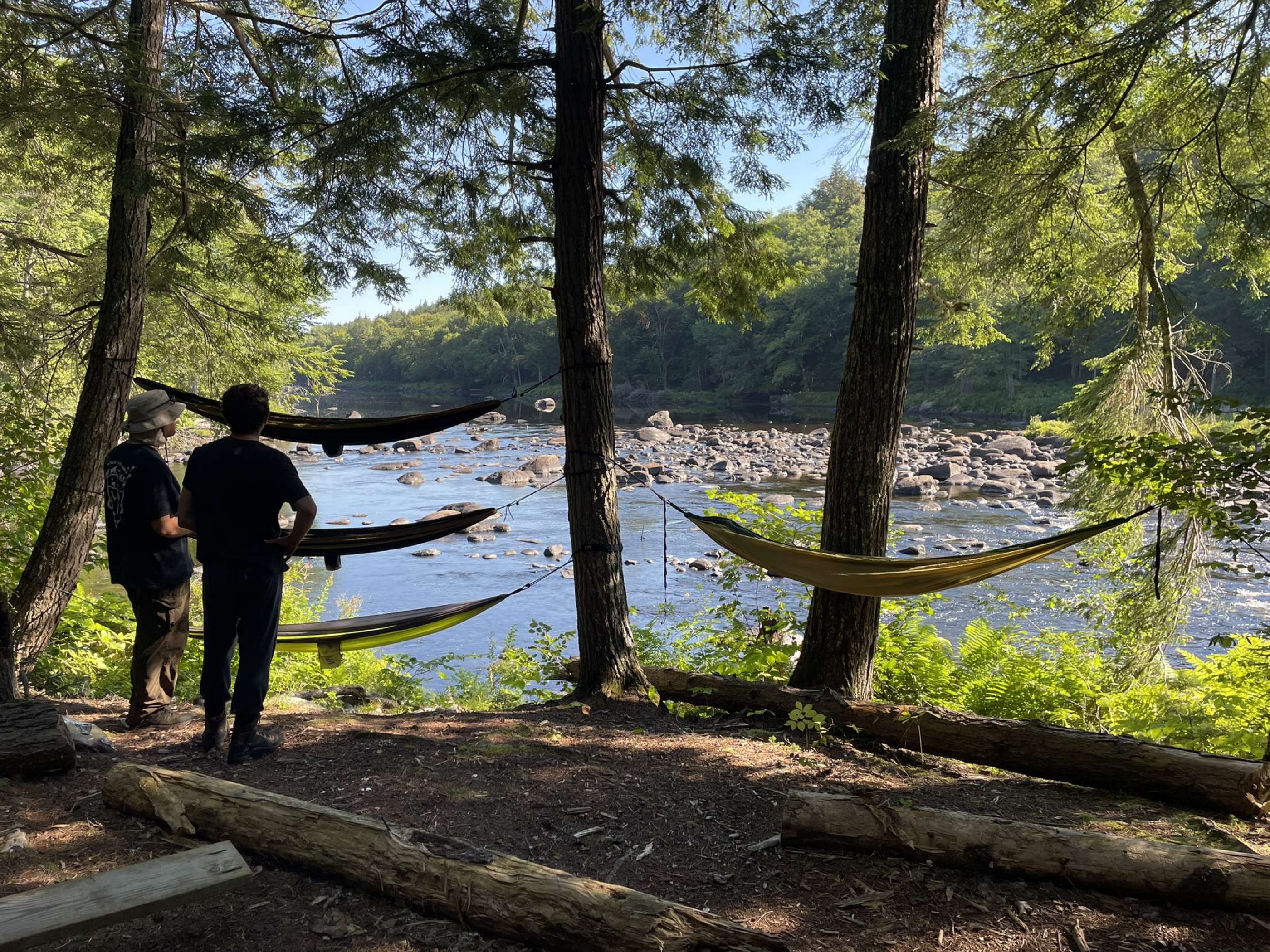
I started Boy Scouts before I could officially join — following my Dad and older brother around the woods before I was old enough to sign up. The first time my Dad took me out for an overnight, I was around three or four years old. My brother was working on his Wilderness Survival merit badge with a late local legend named Steve Burgess. When we were packing up to go home, my Dad says I cried and wanted to stay out camping.
My brother eventually earned his Eagle Scout, paving the way for me to earn mine. While I may not have hunted early in life, Scouting set me up to be the self-sufficient, curious, and constantly improving outdoorsman I am today. The skills, the mentors, the time in the woods — it all compounded. Had I not joined Scouts, I doubt I'd be lost in foraging today.
The origin
A Week in the Big Woods
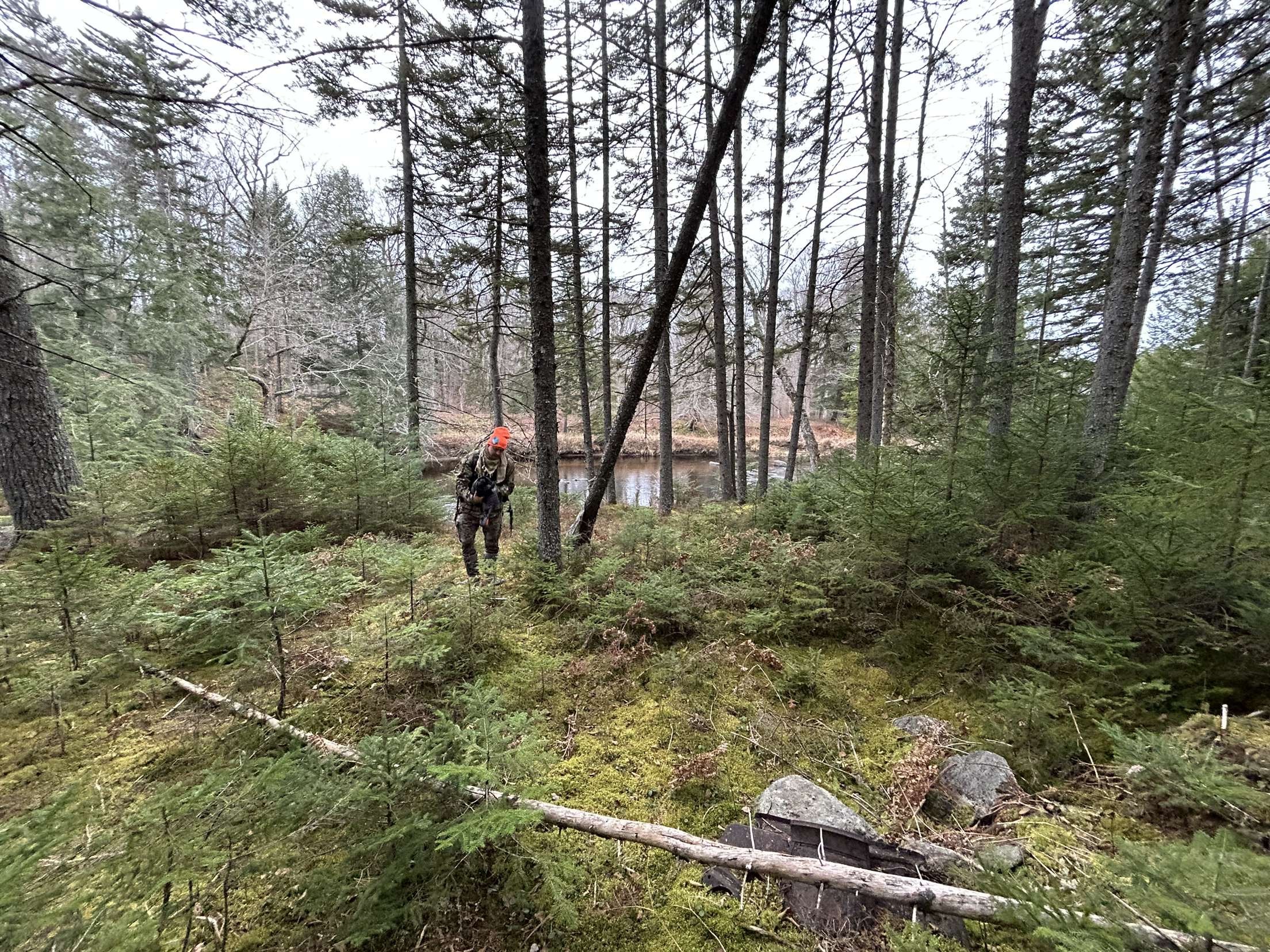
I'd wanted to hunt since I was a kid. Life had other plans. By my second season I finally made it count — hiked and flown into a remote Adirondack lake with three veteran hunter friends for a week in the Big Woods, sleeping in a canvas wall tent that had been passed down through generations before us. They filled their tags. I was still learning the ropes, glad to help with the work, and paying attention to everything.
Hunting solo one afternoon, I spotted a massive Chaga conk growing on a birch. I'd first heard of Chaga at Clarkson University through the Birch Boys — a company building products from wild-foraged mushrooms. I knew enough to recognize what I was looking at. I sawed the whole thing off, hiked twenty pounds of it back to camp, and eventually back home. Then I started experimenting.
That find opened a door I haven't stopped walking through. Every day brings something new — a plant our grandparents knew by name, a preparation modern herbalists are rediscovering, a mushroom with chemistry science is only beginning to map. Our species grew up alongside these foods and medicines. We adapted to them over millennia. The idea that we can isolate one compound, put it in a pill, and call it better has always felt like it's missing the point. I'd rather use the whole plant.
Where beeswax came in
One Thing Led to Another.
The more I work with it, the more uses I find. It hasn't stopped yet.
Most foraged plant preparations end up the same way: infuse into oil, make a salve. When a few friends started getting into beekeeping around the same time, the connection was obvious. Beeswax is a remarkable material — protective, workable, and completely natural. The first batches took some trial and error to get the oil ratios right, but once I had a foundation, the products kept expanding. Salves led to balms, balms led to wood and leather conditioners, and it's still growing.
What drives this
Knowledge That Should Be Passed On
Wild-Sourced
Everything starts in the field. Foraged ingredients, honest materials, nothing synthetic.
Handcrafted
Small batches, made by hand. Every tin is a project I care about.
Whole Plant Thinking
Don't isolate the compound — use the whole plant, the way people did before we forgot how.
Community of Learners
I'm still learning. The goal is to bring curious people along and connect them with veterans who carry knowledge worth keeping.
Come Find Us in the Field.
Whether you've been foraging for years or just started looking down at the ground — there's a place for you here.