
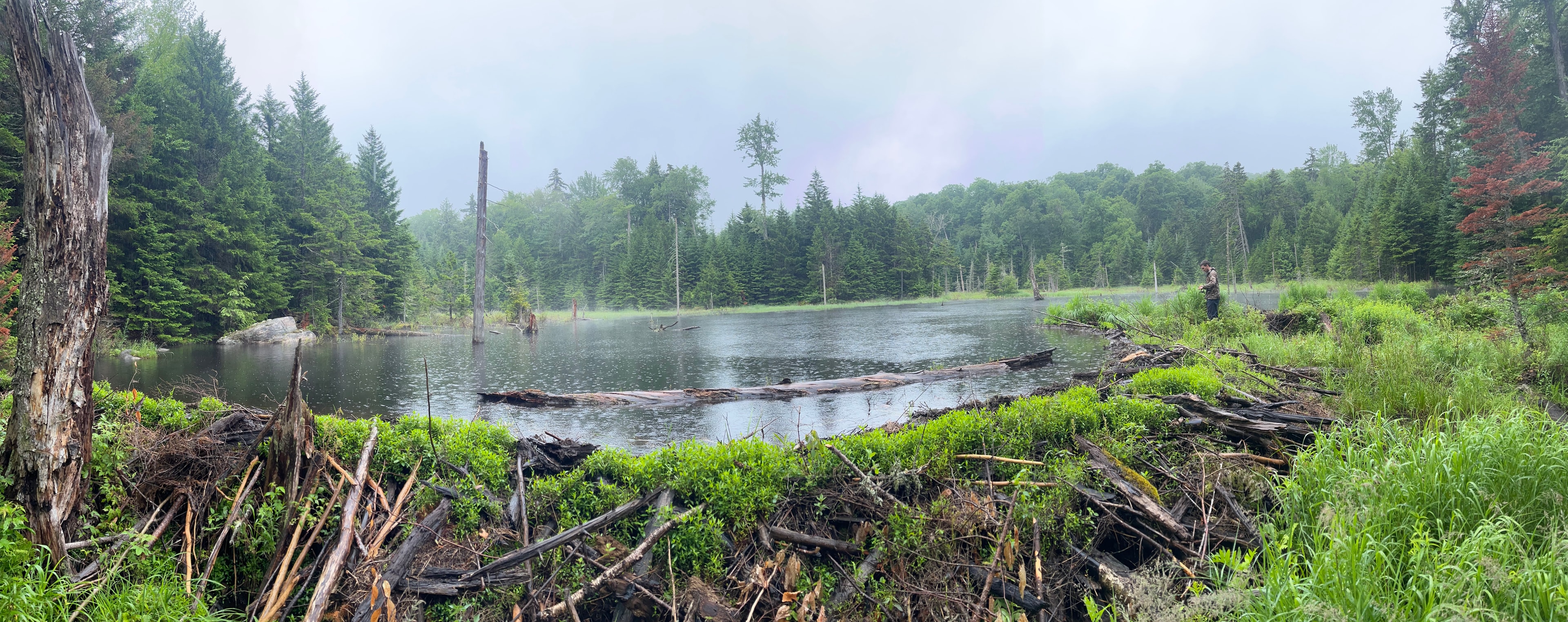
Beeswax Goods & Foraged Products
Go Get Lost.
Beeswax goods and foraged products for those who know the land.
"The wild has everything you need. You just have to know where to look."
Lost Foraging was born from a deep respect for the land and the knowledge it holds. We make beeswax salves, balms, and conditioners from ingredients foraged and sourced with intention — and we believe that sharing that knowledge is just as important as the products themselves. Get outside. Learn the plants. Trust the process.
Our StoryWhat We Make
Rooted in the Wild
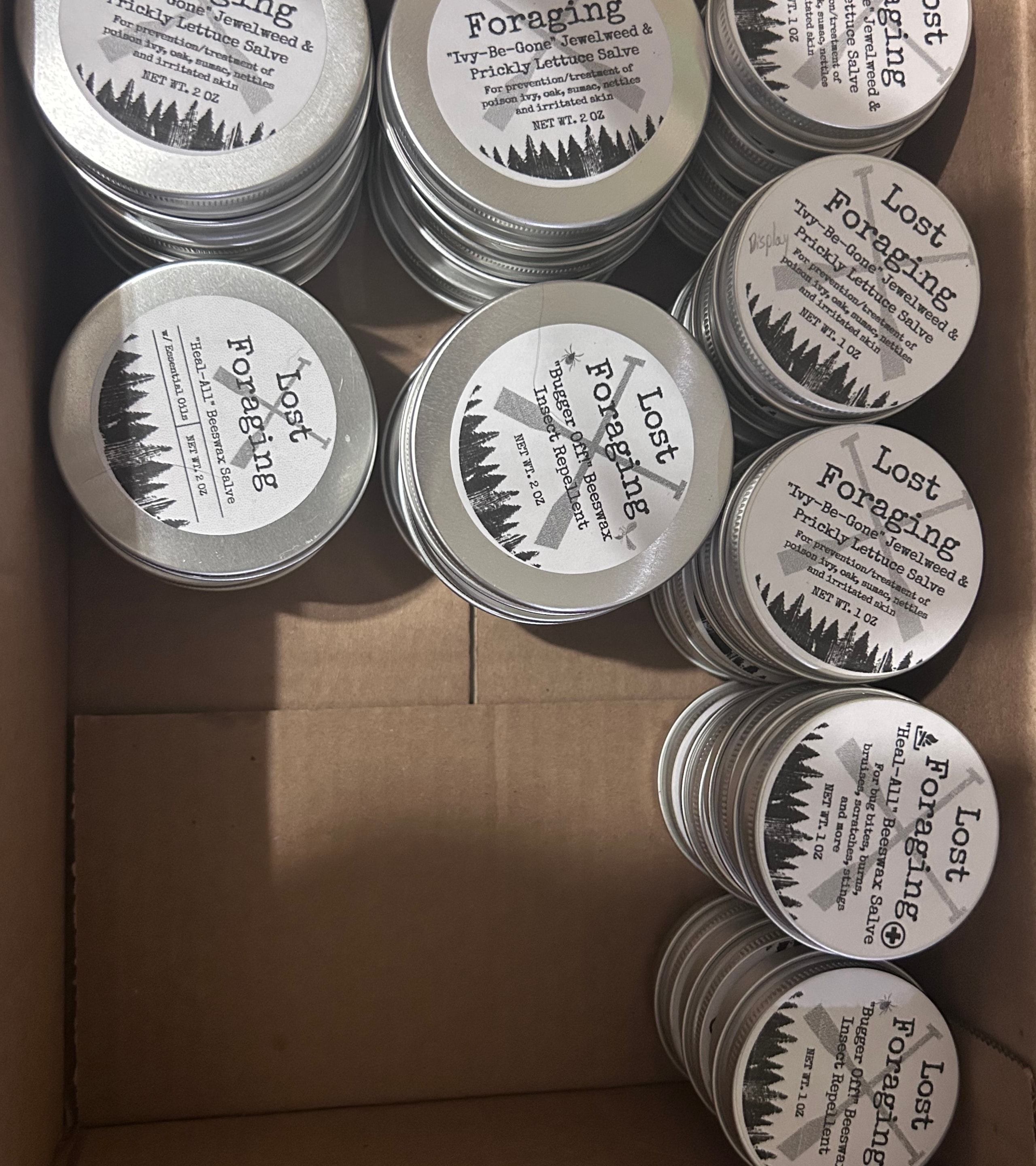
Salves & Balms
Beeswax-based healing salves and skin balms made from foraged botanicals.

Wood & Leather Care
Natural conditioners that protect and restore with the power of pure beeswax.
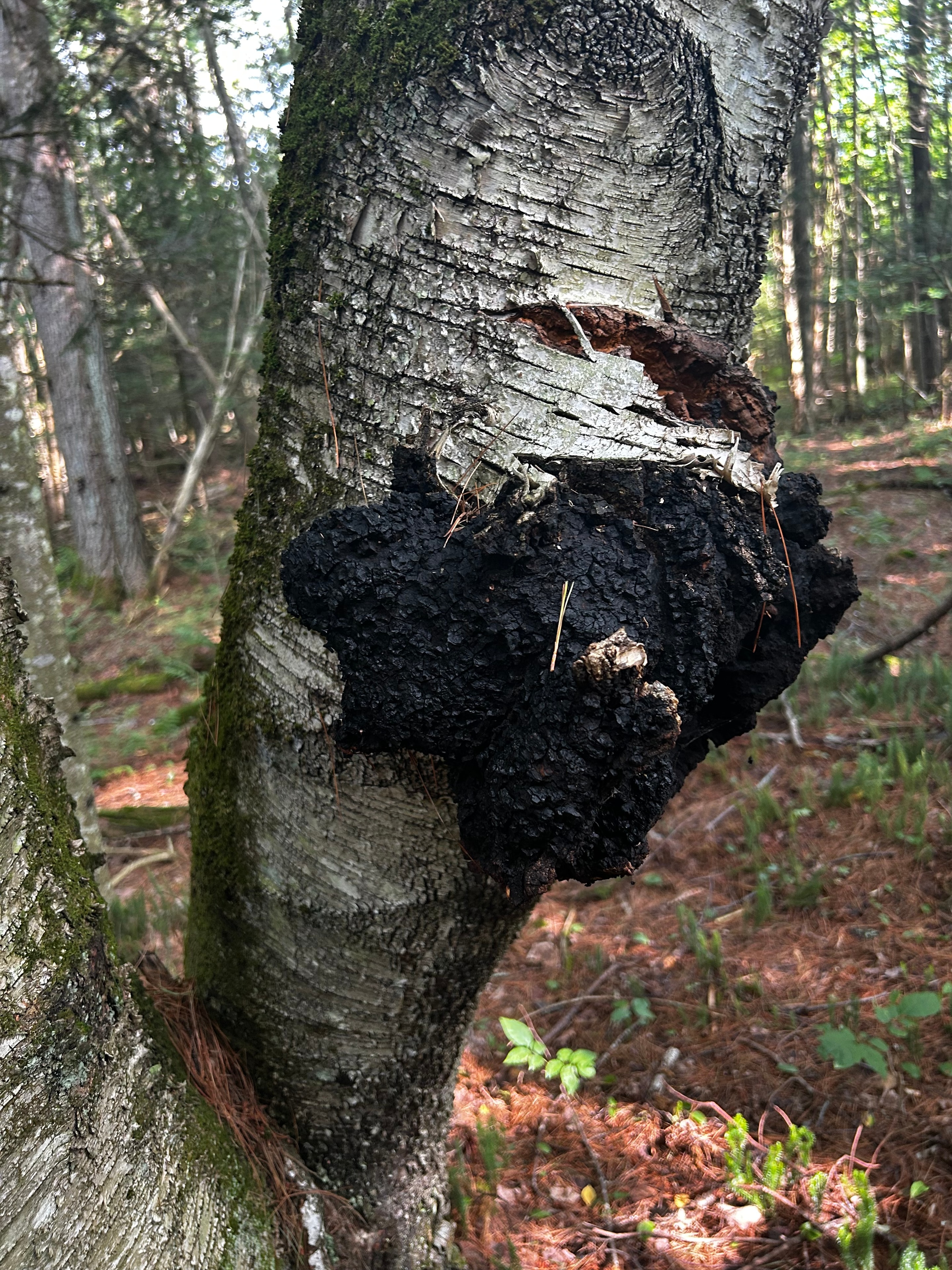
Foraged Goods
Seasonal finds from the forest floor — dried herbs, tinctures, and wild harvests.
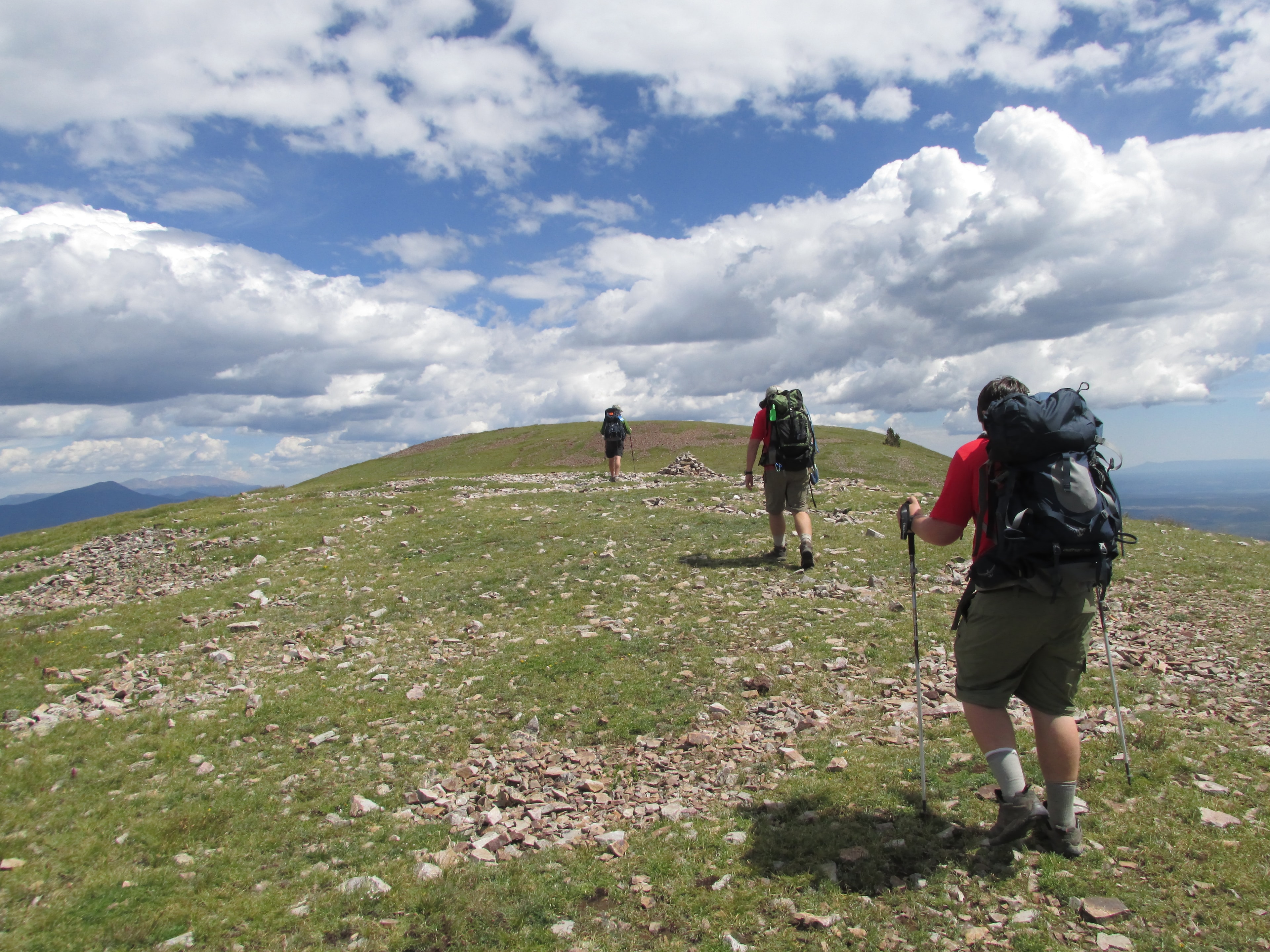
Learn to Read the Land
Plant profiles, seasonal foraging guides, and herbalism deep-dives — everything you need to step into the wild with confidence.

Handcrafted
Made by Hand,
Rooted in the Wild
Every product starts with pure beeswax and ingredients foraged or sourced with care. No shortcuts. No synthetics. Just the land's best, worked by hand.
Field Notes
The Weeds in Your Yard Are Trying to Help You
Before modern pharmacies, before supplement aisles, before the word "weed" even existed — people walked outside and found what they needed. The plants we now spray, pull, and curse at have been quietly offering the same medicine for thousands of years. We just stopped listening.
Plantain — the broad-leafed, low-growing plant that pushes up through sidewalk cracks and lawn edges — is one of the most effective drawing agents in the plant world. Chew a leaf and press it to a bee sting or splinter and watch the inflammation pull out within minutes. It's been used across Europe, Asia, and the Americas for centuries as a wound herb, and it grows in virtually every temperate yard on the planet.
Dandelion is another. Every part of it is useful. The root supports liver function and acts as a gentle digestive bitter. The leaves — more nutritionally dense than most grocery store greens — are rich in vitamins A, C, and K, plus iron and calcium. The flowers feed early pollinators when little else is blooming. What we call a weed, traditional herbalists called a spring tonic.
Chickweed, cleavers, red clover, self-heal, wood sorrel, lamb's quarters — the list goes on. These plants didn't end up everywhere by accident. Many followed human settlement deliberately, drawn to disturbed soil and the edges of civilization. Ethnobotanists call them "camp followers." They grew where people were because people needed them.
The disconnect happened fast. Within a few generations, the knowledge that once passed from grandmother to grandchild — which plant stops bleeding, which one soothes a rash, which one you can eat when you're lost — was replaced by a reflex to buy, to treat, to eliminate. The plants didn't change. We did.
Relearning this isn't about rejecting modern medicine. It's about restoring a relationship that served our species for most of its existence. Start in your own yard. Learn one plant at a time. The land has been patient.
"The plants didn't change. We did."
Pull Up a Seat.
Join a community of foragers, herbalists, and wild-craft makers. Get seasonal guides, new product drops, and field notes delivered to your inbox.